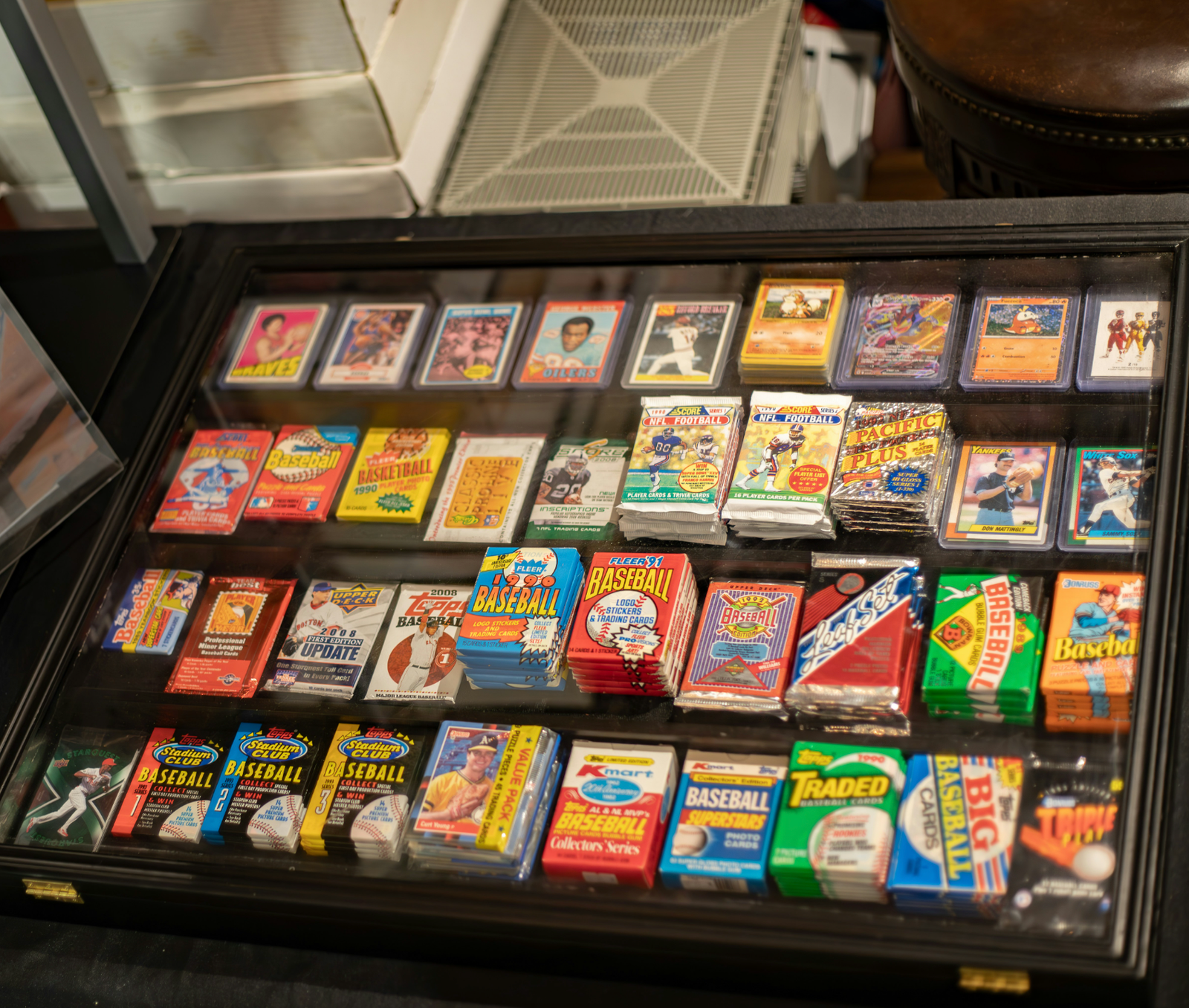
Understanding the Junk-Wax Era: A Historical Overview
The junk-wax era, notably active during the late 1980s and early 1990s, marked a significant moment in the history of trading cards, particularly over-produced sports cards. This period is characterized by an explosive surge in the production of trading cards, driven in large part by a booming market and a multitude of companies entering the fray. Collectors and investors were eager to capitalize on what appeared to be a lucrative avenue, leading to a remarkable increase in the volume of cards printed.
As manufacturers ramped up production, the market became inundated with junk wax – a term used to describe the inferior quality and abundance of trading cards produced during this era. Companies such as Topps, Fleer, and Donruss were instrumental in flooding the market, releasing multiple sets each year and saturating the landscape with redundant issues. The enthusiasm for collecting turned into a regrettable landscape for many as overproduction significantly diminished the value and appeal of these cards.
Emotional ties to the hobby were profound, as collectors initially held great hope for their collections, often anticipating financial gains in the future. However, as it became clear that the supply far outstripped demand, the financial reality set in. Many collectors faced losses as the value of their once sought-after cards dropped dramatically. Events such as the 1994 closure of the market for certain trading cards served as a grim reminder of the excesses of the junk-wax period. This historical overview clearly outlines the impact of oversaturation in the sports card market, providing crucial insights into the challenges faced by collectors and investors during this tumultuous time.
Signs Indicating a Possible Bubble in the Current Market
The current state of the sports card market has prompted many collectors and investors to scrutinize indicators that could suggest the onset of another bubble, reminiscent of the infamous junk wax era. Several key factors emerge as significant signs pointing towards this potentiality. Firstly, the considerable rise in production rates is evident. Manufacturers are producing an overwhelming volume of trading cards, reminiscent of the over-produced sports cards that flooded the market decades ago. This abundance raises concerns regarding the long-term value and scarcity of new releases.
Market saturation is another critical indicator. With a vast selection of cards available, collectors may find it increasingly challenging to distinguish between collectibles that hold genuine potential and those that are merely products of a booming market. This overwhelming saturation dilutes the value of these cards and heightens the risk of a market correction. Moreover, the influx of new entrants into the market, including both seasoned investors and novice collectors, contributes to a speculative frenzy. These new participants often lack the historical context or knowledge to navigate such a volatile environment, thereby exacerbating risks associated with overvaluation.
Additionally, social media and online marketplaces play a vital role in amplifying trends and hyping up card prices. Platforms such as Instagram, Twitter, and specialized forums facilitate rapid information dissemination, causing certain cards to experience price surges that may not reflect their intrinsic value. As enthusiasts post about their latest acquisitions, a herd mentality can emerge, leading to impulsive buying behaviors and irrational price inflations. The combination of these factors—rising production rates, increasing market saturation, and the influence of social media—suggests that indicators mirroring the conditions of the junk wax era may be present today. As we continue to observe the market, it becomes crucial for investors to remain vigilant and informed.
The Impact of Speculation and Investor Behavior on Card Values
The modern sports card market has witnessed significant transformation, largely influenced by the behavior of speculators and investors. These participants often view trading cards not merely as nostalgic collectibles, but as viable investment opportunities. This shift in perception has fueled a speculative frenzy reminiscent of the junk wax era, characterized by an oversupply of over-produced sports cards that flooded the market in the late 1980s and early 90s. Currently, specific categories of cards have emerged as favorable assets, particularly rookie cards and limited editions, which command premium prices due to heightened demand.
The psychology behind card collecting in the context of investment can be complex. Investors often assess the rarity, player popularity, and historical significance of sports cards, making certain cards seem more appealing based on anticipated future value. This behavior can result in rapid fluctuations in card prices, creating a cycle where increasing values drive more speculation, which in turn drives prices even higher. Such dynamics were illustrated in notable sales of high-value cards that have broken auction records, leading to renewed interest and participation in the market.
Moreover, the presence of social media and online platforms has amplified this trend, enabling investors to share insights and market activity in real-time. Online communities often engage in discussions that further fuel speculation, making trading cards a hot topic among investment circles. However, this speculative behavior can also lead to market instability. Just as the junk wax era resulted in a collapse of card values when over-production became apparent, there is a risk that current trends may not be sustainable. The possibility of a future correction looms as speculative bubbles can burst, leading to a reevaluation of the intrinsic value of cards.
Preparing for Potential Market Changes: Advice for Hobbyists
As the landscape of the sports card market continues to evolve, hobbyists must equip themselves with knowledge and strategies to navigate potential shifts effectively. With the recent surge in the popularity of trading cards, particularly those that are reminiscent of the over-produced sports cards from the junk wax era, it is crucial for collectors to assess the value of their cards diligently. One way to evaluate value is by staying updated on recent sales trends, using platforms that track card prices across various marketplaces. Keeping tabs on online auction sites can provide insight into what buyers are willing to pay for specific items.
Knowing when to sell or hold onto cards is another vital component. If you notice a rapid increase in the value of a particular card you own, it may be a favorable time to sell. Conversely, if you believe a card’s worth will continue to rise, holding onto it may be more prudent. Emotional investment in your cards should not be underestimated; always consider personal enjoyment as a key reason for collecting. Collectors often find fulfillment in rare pieces, regardless of monetary value.
Additionally, engaging with the card-collecting community can further enhance your experience. Online forums, social media groups, and local hobby shops can serve as excellent resources for staying informed about trends and market changes. Following reputable sources such as industry publications and experienced collectors can provide insights that are invaluable for a hobbyist. Building a network of like-minded individuals can also foster discussions about the future of the trading card market, including potential risks of slipping back into a junk wax scenario.